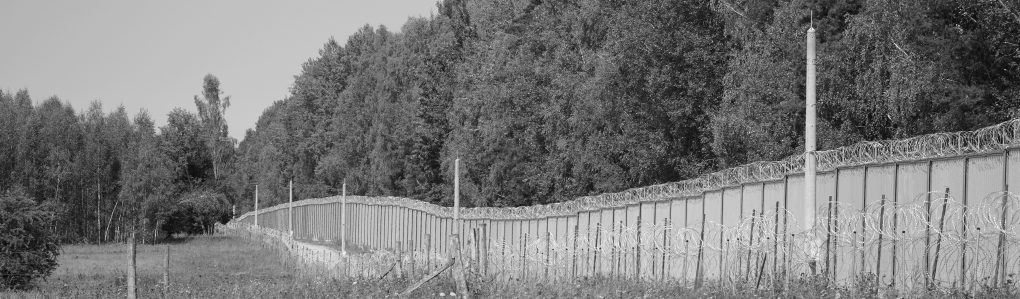
How border fences may vanish, and violence remains
Author: Joris Schapendonk, Radboud University 26 August 2025
After having walked, canoed and driven a car for days on, and alongside the Kulpa river, we were puzzled. Where did the fence go? How come the landscape turned into something so seemingly peaceful after it has been characterized by a 198 km barrier across the Slovenian-Croatian border? The fence, located at the Slovenian riverside, was not built to stop migration, as the official governmental narrative went in 2016, but it was raised “to manage migration better.” The soldiers and construction company who built it, however, did it in a hurry, as it is documented that the fence was erected by a pace of 150meters per hour (Horvat 2017). First, the border was weaponized with razor wire, later a green gridded fence replaced it, and this fence was ‘upgraded’ as a border wall with some razor wire on top of it. In July 2022, just a few months before Croatia joined the Schengen zone, the Slovenian government announced to start dismantling the fence as, according to again their own official narrative, ‘migration is an age old phenomenon’. This is evidently a refreshing political claim in Europe’s populist times, but then again… where did the fence go? How is it possible we could not find a trace here?
We did not find a clear map about the fence (the clearest we got was a relatively old map indicating hunting grounds that were fenced or partly fenced). Even the stories of the people we talked to created confusion among us. A fireman shared his story how he felt restricted by the Slovenian police when two young men drowned in the river. He told us too how he was so frustrated and angry with the fence, and how he cut the fence with his own hands to create movement for animals (and people). But the day after a waitress, working in a café close to a bridge across the Kolpa river, stated that there has never been a fence around here, and above all, she never had seen any single refugee in this area. A young man working in a firefighter museum thought the fence was still there, and we heard before that it has never been dismantled. What did we miss here? Was it the potential presence of right-wing paramilitia that still surveilled the border, as they did some five years ago, that made some people hide their stories? Was it shame over a feeling of being complicit that made them unshare their memories? Was it the fact that Croatia joined Schengen in 2023 that made people forget about that hard border episode in their region so quickly? Or was there simply no fence in this particular location? The latter was unlikely, but still possible as the fireman could have talked about just a slightly different location. Moreover, we could not even find a pole, a screw, hole or grid that helped us to identify the traces of that fence. The landscape to have healed from a border intervention.
But then, a young woman living further uphill came with some further answers. The fence has certainly been here across the region, but some places got an exemption, including the place the waitress worked. Some people also continued to get access to the fenced-off space. When the border-fence was installed, many locals (on both sides of the border) complained and claimed that the fence was actually a fence against them (see The Wire). Their access to the river was blocked, some even told us how they could not access their land that they used for making a living. As a pragmatic solution, the government handed over some keys to people who felt restricted by the fence. Of course, this underlines how border infrastructures work differently for different people. This fact became even more clear when we saw pictures of tourists having accessed the fenced off river shores for their leisure. Someone with a key, simply opened the fence for them, as is visible in google street view.

Image 1: Google Street View
Did migration then end with the fence? No, the young woman assured us. There are still people crossing, sometimes they sit in front of her door and ask her to call the police who then bring them to an asylum centre in Ljubljana. Thus, the migration phenomenon remains, but the border spectacle vanished in thin air with the dismantling of the fence. She also stated that there were still some relics of the fence visible, at the café close to the bridge down at the riverside. Indeed – she hinted at the same café we met our waitress denying the existence of a fence. Indeed, there we found it, in a friendly green reincarnation, the 2,5m high fence continued to exist. A signpost indicated that the once hard border is now open every day for customers buying a coffee or enjoying a lunch.
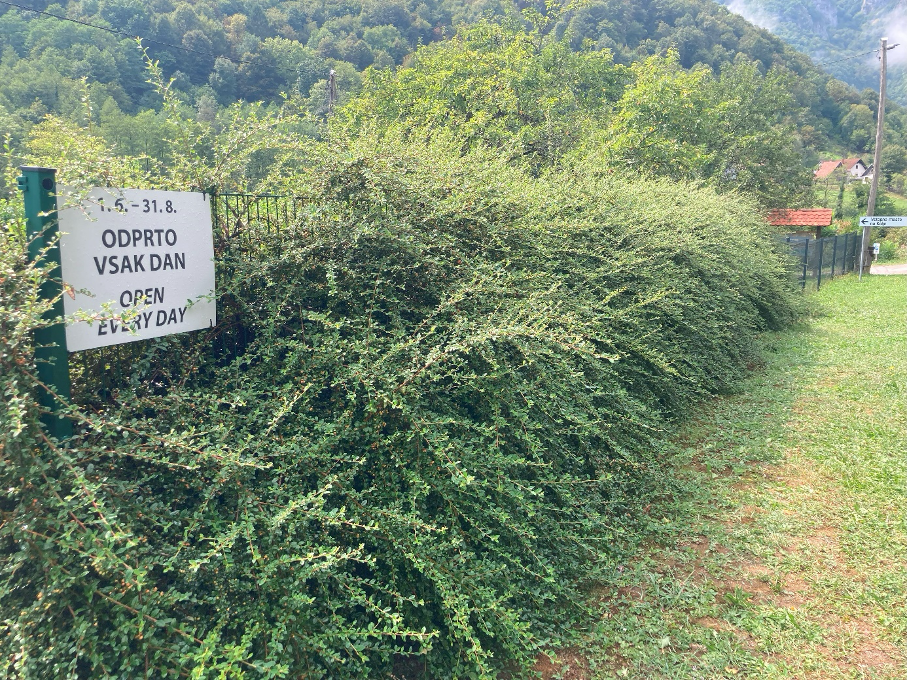
Image 2: by the author
This story of hard border turning into an open space called Schengen could easily be mistaken as a story to celebrate. No borders is more justice, right? But as Aparna et al (2025) so powerfully claim, there is implicit violence in so many scripts of Europeanization. The violence we felt here was that the stories of those passing are so easily erased. The locations where people drowned are now overcried by tourist’s laugher; signs regarding the dramas of migrants dying in this river were remarkably absent; and even the bodies of those passed away are easily hidden in landscapes of mourning. The latter we noticed when we saw how graves of buried travelers have been put far away from other buried bodies, sometimes literally next to a bump of waste coming from exhumated graves . Apparently, the need to border the unwelcome echoes in these places. Equally telling is the fact that open Schengen borders can still be deadly for those who are unwelcomed. On the 18th of April 2025 – two years and four months after the Slovenian-Croatian border became a Schengen no-border-control-zone – a No Name traveler was buried on a graveyard close to Bogovci, and there was no fence to blame for it.
“Beneath towering canopies a darker truth lies hidden”: One of Europe’s most fortified and violent borders.
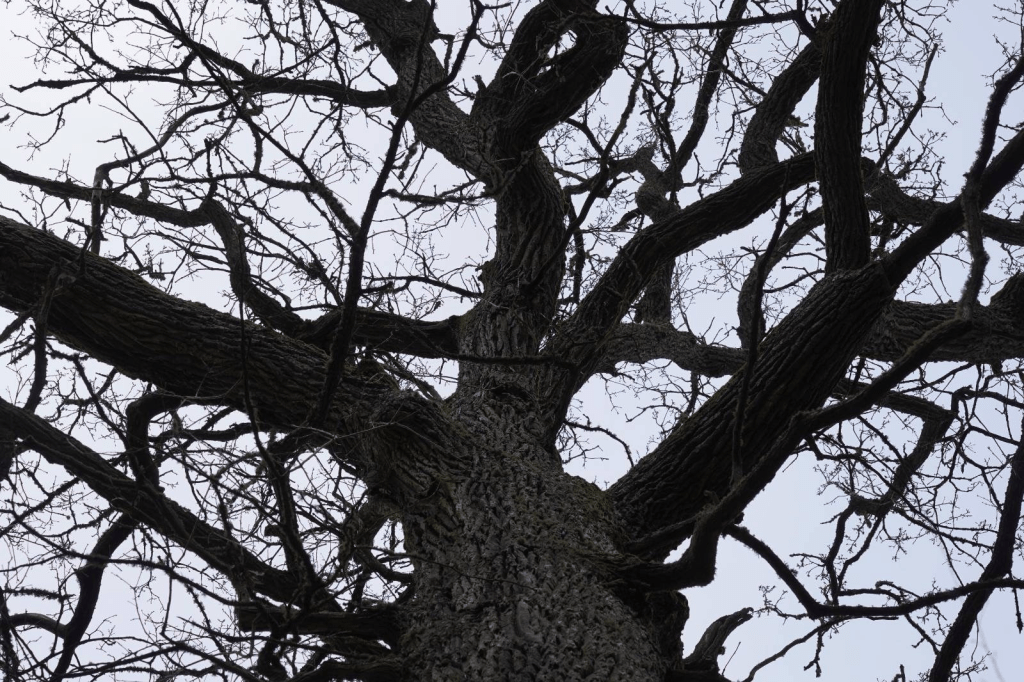
The past days have taken me to the heart of the Podlasie region, where the border between Poland and Belarus stretches through ancient, primeval forests. As part of a collaboration with the Circumference of Violence project, led by Charles Heller, we visited the Podlasie region with Reem Mussa, Allesandro Mangione, and Katarzyna Czarnota. In these woods, the trees stand like silent witnesses, their roots entwined with histories older than borders themselves. Beneath their towering canopies, a darker truth lies hidden, one of Europe’s most fortified and violent borders.
This place first entered the global spotlight in August 2021, when Belarus, under Łukaszenko, “opened” its gates, allowing people-on-the-move to journey toward Poland. While EUrope has been paying states to deal with migration; Poland accused Belarus of “instrumentalizing migration. Poland fortified its borders, erected fences, constructed roads, concertina wire cutting through the landscape and villages, while tightening laws to criminalize people-on-the-move and those who supporting them.
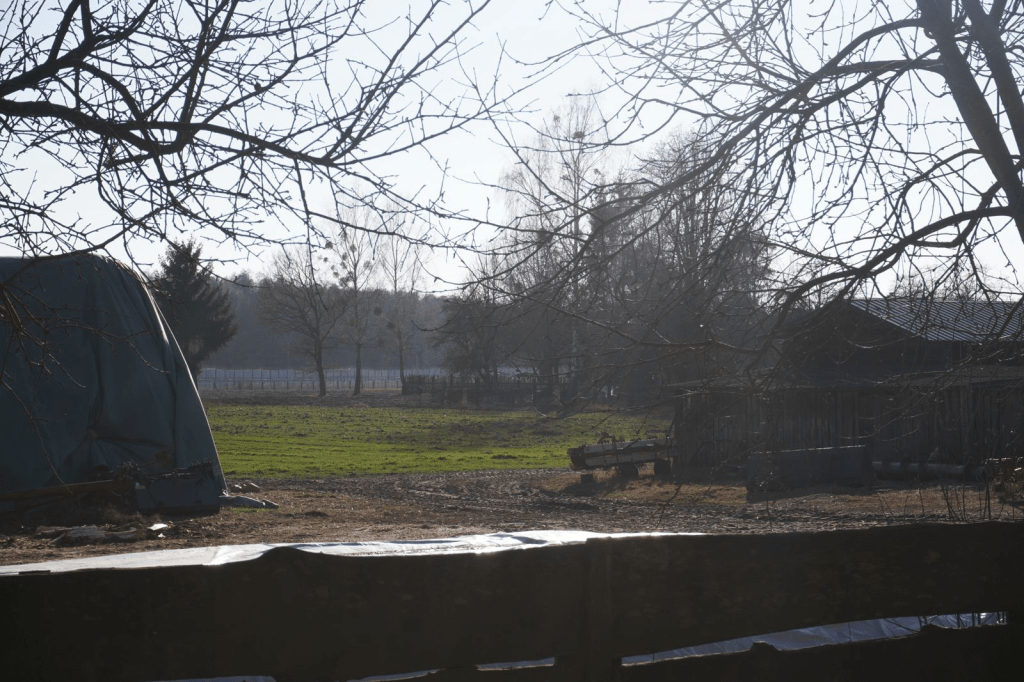
The media may have moved on since 2021, but the harsh reality continues. People-on-the-move continue to navigate this heavily surveilled and militarized frontier and face violent pushbacks. During several visits activist and civil society actors shared how violence has increased since the technocratic “liberal adminstration” of Tusk came into power in 2023. The forest however, is not just a witness, it is weaponized, where the cold, the rivers, the dense forests do the work of the border, killing, abandoning, and hiding the violence written into this landscape.
Białowieża Forest
Peter Teunissen, August 2024
In August 2024, one of our researchers traveled to the Białowieża Forest to explore the landscape and how it intersects with mobility regimes. Located along the Belarus-Poland border, the Białowieża Forest is a space where nature, borders, and displacement intersect. During our visit, we talked with activists, legal practitioners, and local inhabitants, gaining valuable insights into the complexities of the region.
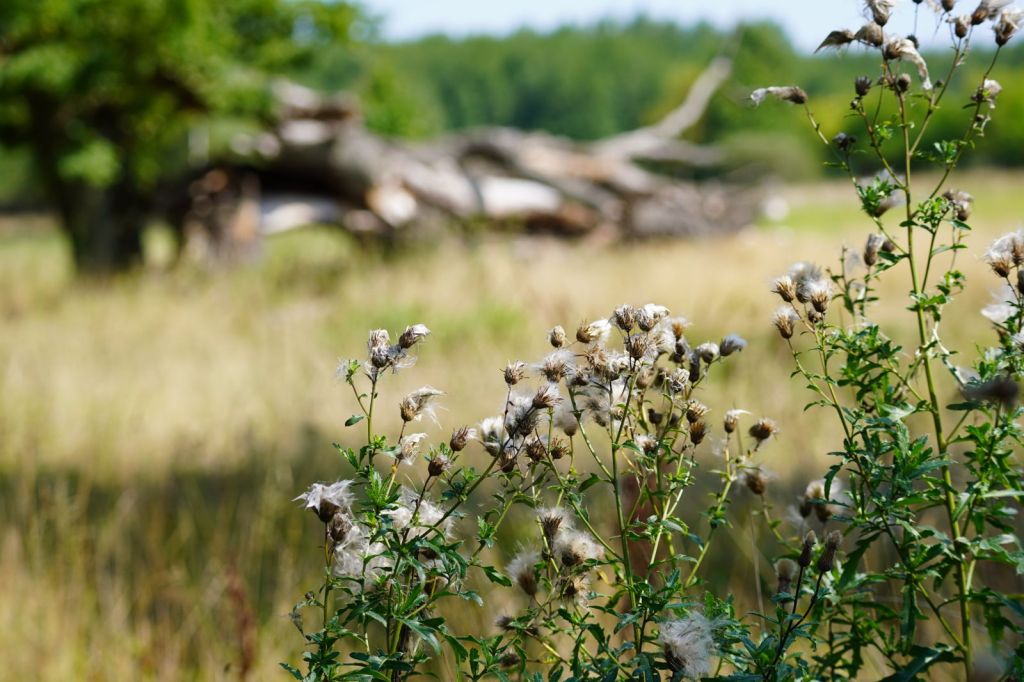
Falling tree in front of the National Park in Bialowieza
As one of Europe’s last primeval woodlands, it has become a critical site for understanding how landscapes are both a tool of border governance, but also as a site of escape, safety, and solidarity. The dense forest terrain, combined with extreme weather conditions, presents significant physical barriers for those attempting to cross into the European Union, while the density of the forest covers places to hide.
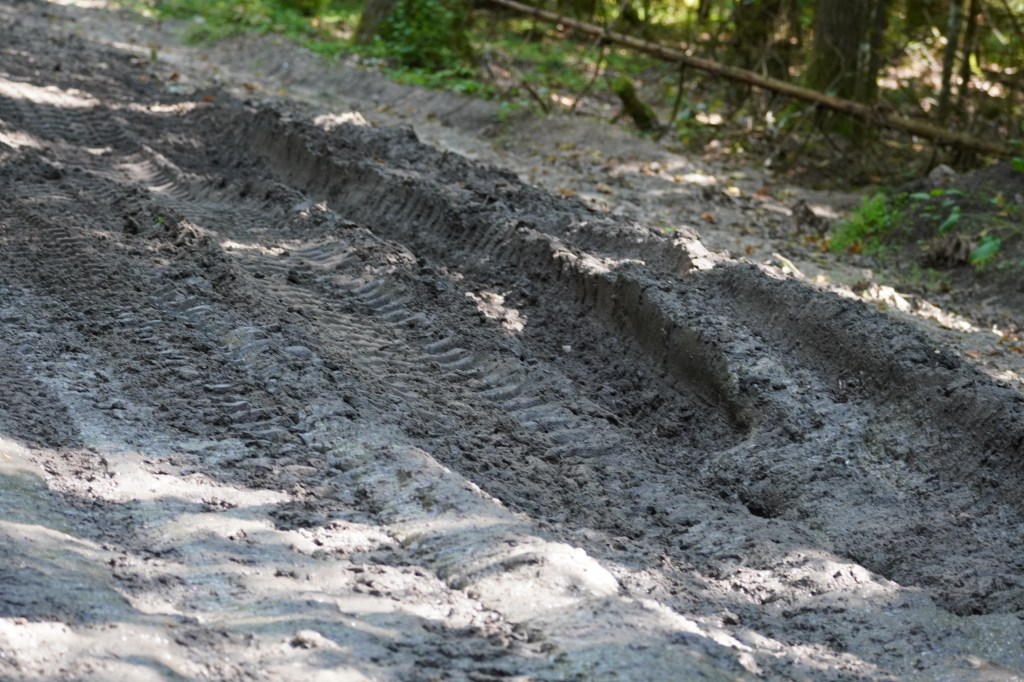
Tire tracks in the forest
Amidst the natural beauty, the sounds of heavy trucks rumbling through the forest disrupt the silence, their engines echoing through the forest and deep tire marks left behind in the soil, are a stark reminders of the situation unfolding at the border.
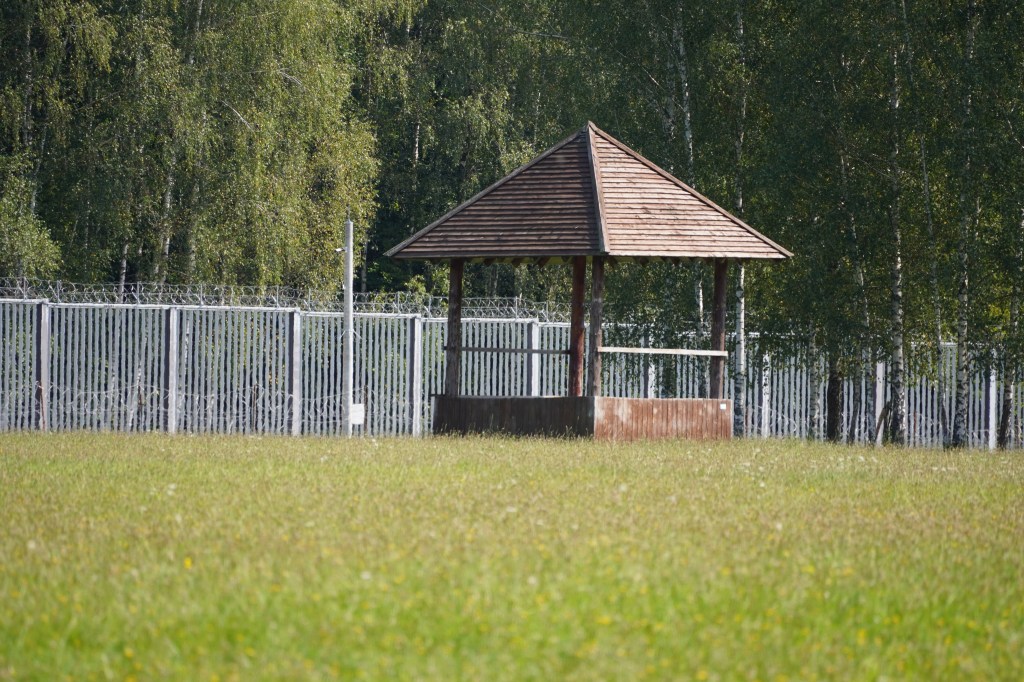
Border Infrastructures in front of a tourist observation point at the Polish-Belarussian Border
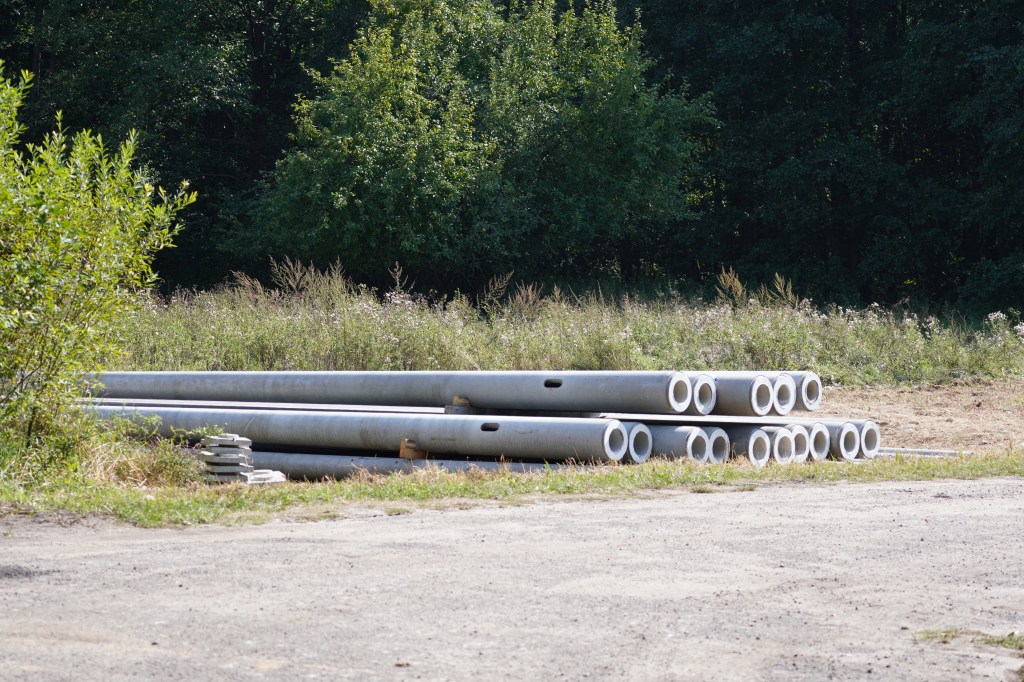
Concrete polls lying waiting to be installed
Infrastructuring Nature as Border Technique
Infrastructuring Nature as Border Technique
This research project aims to contribute to the broader field of forced migration studies by focusing on the relationship between nature, border regimes, and the movement of displaced populations. We will investigate how nature is incorporated by regimes of control and how in turn, nature influences these regimes. This interplay comes to constitute a range of inhospitable landscapes for displaced people. In close collaboration with local knowledge producers and non-academic research partners, we map out inhospitable landscapes that displaced populations move through. Moreover, we will study three distinct border landscapes ethnographically.
Funding: Gerda Henkel Foundation
 infranature.org