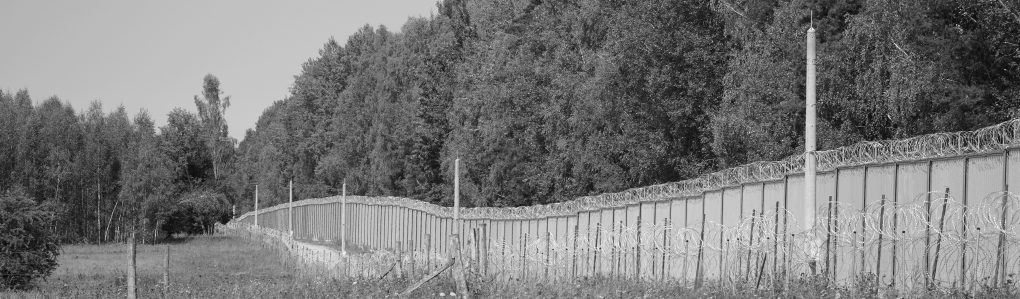
This research project aims to contribute to the broader field of forced migration studies by focusing on the relationship between nature, border regimes, and the movement of displaced populations. We will investigate how nature is incorporated by regimes of control and how in turn, nature influences these regimes. This interplay constitutes a range of inhospitable landscapes for displaced people.
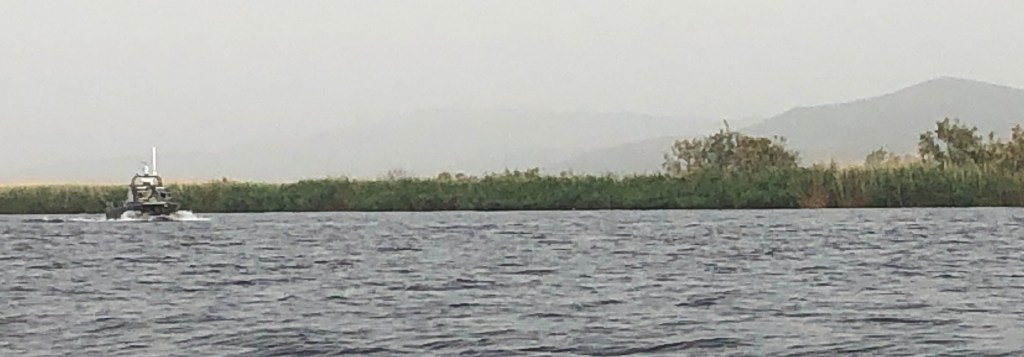
Patrol Boat Evros Delta, Greece 2024
Our research aims to understand how these inhospitable landscapes emerge through the interaction between nature and border enforcement, and how they become integral to regimes of control. In close collaboration with local knowledge producers and non-academic partners, we will map these dangerous environments and explore their impact on displaced people’s journeys. Specifically, we will focus on three distinct border regions that we will study ethnographically. By studying these regions ethnographically, we will analyze how natural landscapes, combined with border infrastructures like fences, checkpoints, and surveillance, create additional barriers for those seeking safety.
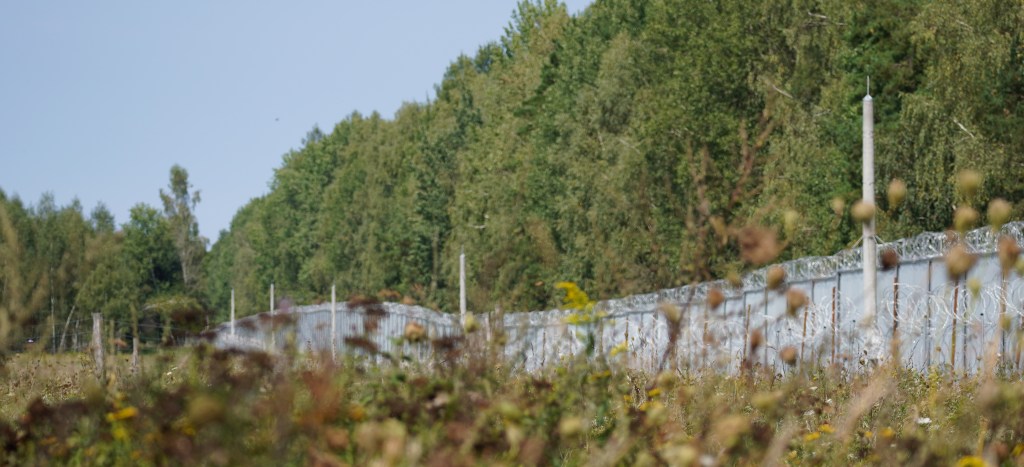
Border Infrastructure, Polish-Belarussian Border 2024
This project seeks to shed light on how inhospitable landscapes operate as a tool of control and escape in contemporary mobility regimes. By doing so, we aim to contribute to broader discussions in forced migration studies, exploring how nature, rather than being passive, actively shapes border landscapes and the experiences of those attempting to cross them.
The project is funded by the Gerda Henkel Foundation and will run from May 2024 – May 2026
 infranature.org